
Research
At heart, we are a deep tech company. Our research is built on an unusual dataset: people with lived experience, too often overlooked, using technology on their own devices and assistive technology.
The dataset
Evidence from people technology seldom studies
Every session we record shows a real person using a real product on their own device, with the assistive technology and settings they use every day.


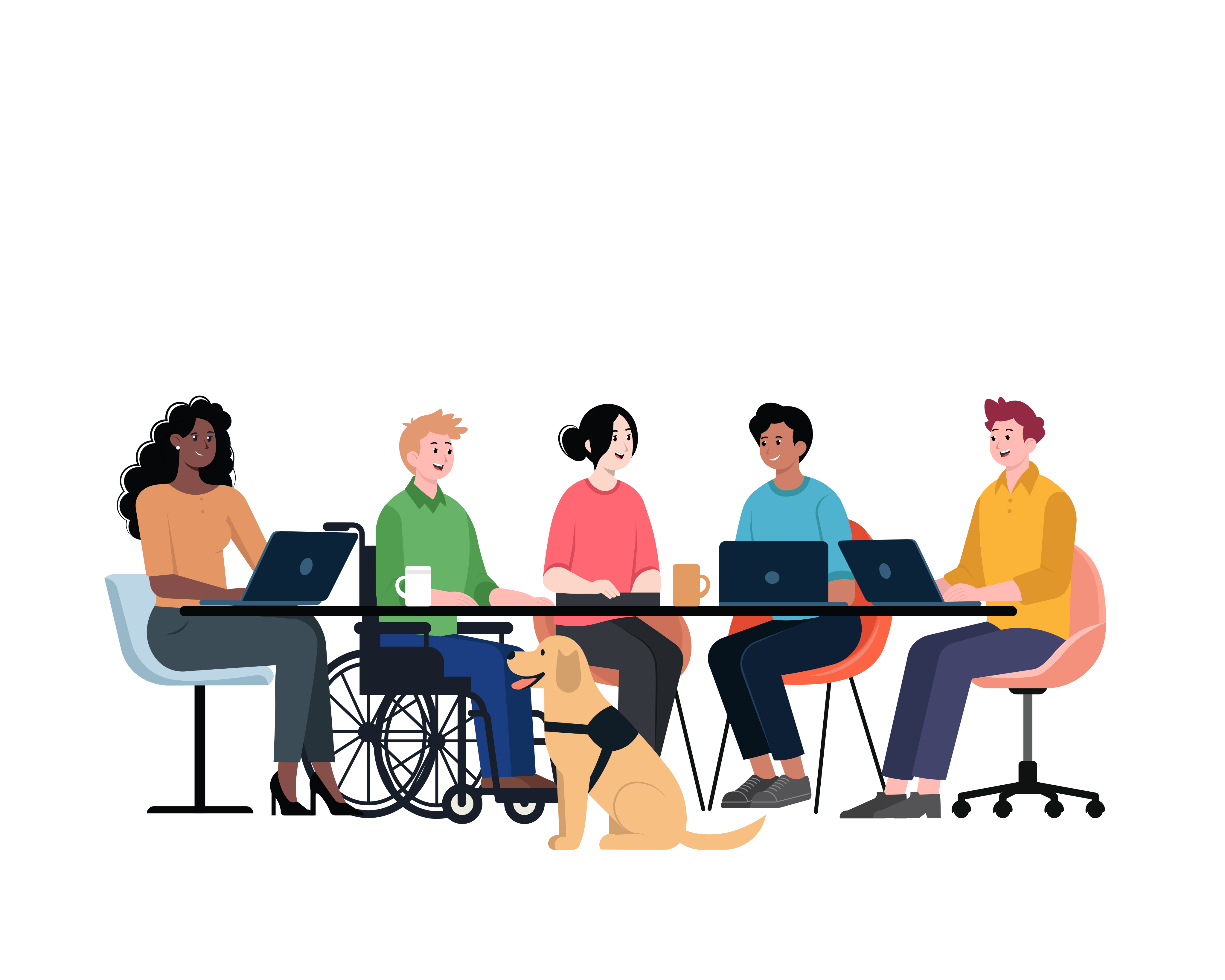
Testers include people who are blind or have low vision, Deaf and hard-of-hearing people, neurodivergent people, older people and people who speak English as an additional language, in Australia, the United Kingdom and Ireland. Each session holds several streams at once: the screen, the voice and the task the person was trying to finish. Across many people and many products, that becomes something rare: evidence of how people the technology industry seldom studies actually use what it builds.
We love the technical problems this raises, and the chance to use technology to amplify voices that are too often overlooked. We also know the dataset exists because people chose to show us how they use technology. We treat that as a privilege and a responsibility. We use it in aggregate, within the consent each tester gave, and we want it to do some good.
University of Sydney
Research with the University of Sydney
Since Semester 2, 2024, we have set research problems for the University of Sydney School of Computer Science capstone program.


Each semester, teams of postgraduate students take on questions drawn from our platform and data. Every team works in its own isolated cloud sandbox, with access controls and a data sharing agreement, and we meet every team weekly.
The problems are ones we find genuinely hard: removing personal information from recordings, measuring accessibility and usability separately, describing images well, building sign-language assets, and finding the interface patterns that fail people across organisations.
Patents and open publication
We have six patents lodged.
They address problems we care about: making sure findings can be traced to what a real person actually did and said, treating assistive-technology users fairly in how evidence is read, protecting people’s privacy at scale, checking that accessibility holds up in people’s real settings, and verifying generative assets before anyone relies on them.
Where a method does more good shared than owned, we publish it openly instead, so anyone can use it and it stands on the public record as prior art.
Verified generative assets
Generated, then verified
Generative models can draw almost anything, but not always correctly. For assets people rely on, such as sign language, we work on checking every output before anyone uses it.

Our first published method checks fingerspelling illustrations for Auslan, BSL, ISL and ASL against the hand shape a signer intended. It is groundwork for an open fingerspelling library that will sit alongside our Inclusive Images Library.
Questions only this data makes possible
What we are working on. Where we have published, the card links to the full write-up.
For example: privacy, screen reader or sign language.
6 research themes.
Checking sign-language illustrations automatically
A published method for drawing fingerspelling in Auslan, BSL, ISL and ASL, and checking every hand before anyone relies on it.Read the researchFair treatment of assistive-technology users
How research should account for screen readers and other assistive technology, so a tester’s tools are not mistaken for the tester’s difficulty.Cooking in the lab: mid-experimentPrivacy in research recordings
Finding and removing testers’ personal information in recordings, transcripts and reports, reliably and affordably.Cooking in the lab: mid-experimentFriction is personal
The same moment in a product can be easy for one person and a barrier for another. We study friction person by person, not only on average.Cooking in the lab: mid-experimentWhich patterns fail which people
Looking across many products, sectors and assistive technologies for the interface patterns that keep causing friction, and for whom.Cooking in the lab: mid-experimentImage descriptions that help
What makes an image description useful to the people who rely on one, and how well generated descriptions measure up.Cooking in the lab: mid-experiment