
Tag
Accessibility
Every published article tagged "Accessibility".
Is Website Accessibility Legally Required in Australia? DDA, WCAG 2.2 and Enforcement (2026)
Yes. Since Maguire v SOCOG (24 August 2000), Australian websites and apps have been services under the Disability Discrimination Act 1992, for private and public organisations. No law names a technical standard, but the Australian Human Rights Commission's 2025 Guidelines say organisations should meet WCAG 2.2 Level AA as a minimum. As at 10 November 2026.
WCAG Requirements for Australian Government Websites: Every Jurisdiction Compared (2026)
No single law sets one standard. The Disability Discrimination Act 1992 applies to every Australian government and council. On top of it, the Commonwealth and every state and territory policy we read set WCAG at Level AA. Working to WCAG 2.2 AA meets or exceeds every current written policy we could read (the ACT's policy is not public). As at 10 November 2026.
New Zealand Web Accessibility Law and Standards 2026: Human Rights Act, WCAG 2.2 and the New DAS
Not by a dedicated law. The Human Rights Act 1993 (s 44) bars less favourable treatment because of disability in providing goods, facilities and services. Core government agencies must also meet WCAG 2.2 AA under the Web Accessibility Standard 1.2. As at 10 November 2026.
ADA Title II Website Deadline Moved to April 2027: US Accessibility Law, Section 508 and Lawsuits (2026)
Yes. State and local government websites and apps must meet WCAG 2.1 Level AA under ADA Title II. A Department of Justice rule of 20 April 2026 moved the deadlines. Places of 50,000 people or more now have until 26 April 2027; smaller entities and special districts have until 26 April 2028. The obligation is ongoing in the meantime. As at 10 November 2026.
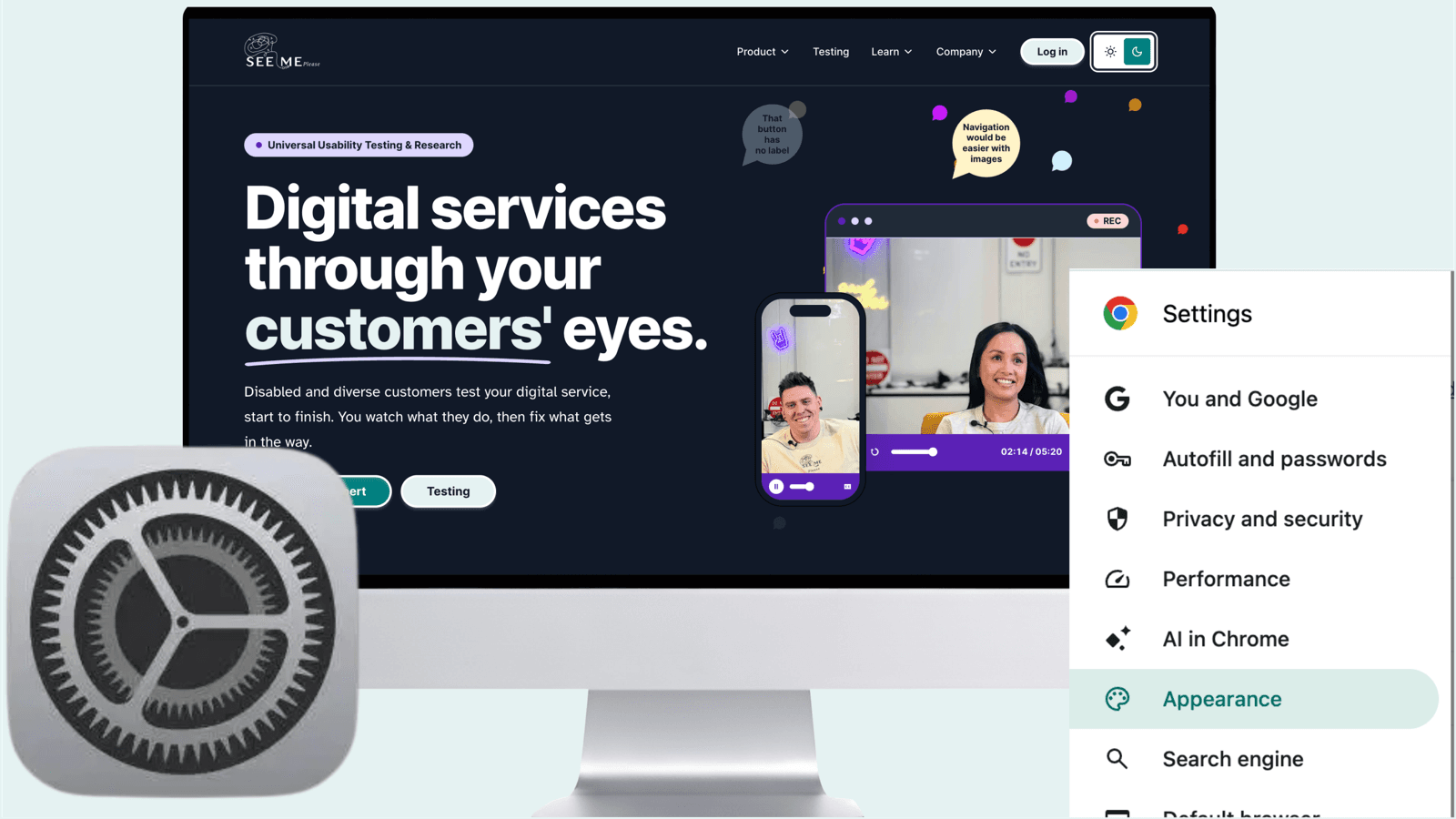
Your customer already told you. Is your interface listening?
A few of the world's most thoughtful digital products already know how to listen to your device. Why doesn't the rest of the web — and what would it take to change that?
How to Prioritise an Accessibility Backlog: What 5,823 Test Findings Reveal About Severity, Frequency, and Effort
Published by See Me Please | Data source: 15 independent usability studies, 5,823 approved synthesised findings, 2026
Beyond Compliance: What 1,468 Positive Usability Findings Reveal About Design Patterns That Work
Published by See Me Please | Data source: 15 independent usability studies, 1,468 positive-category findings, 2026

Hard of Hearing, Harder to Please
There's a common assumption that being hard of hearing means checking out of music. It doesn't, and SMP Engagement Lead Dan is living proof. Here's what actually chasing good sound looks like when you can't hear all of it.
Accessible ≠ Usable: Testing a Popular Design Maxim Against 1,580 Real Scores, and a Warning About How We Measure It
A research note from See Me Please | Data source: 1,580 tester-task scoring events across 13 usability studies, 2026
The Volatility Problem: Why an Average Accessibility Score Is Often the Least Trustworthy Number in the Report
A research note from See Me Please | Data source: 526 task-by-cohort score groups, 15 usability studies, 2026

See Me Please Is Now a W3C Member
We used to help organisations meet the standard. Now we help write it.
EU and UK Digital Accessibility Laws: Status, Enforcement, and the Reality Gap
Legislative Evolution, Non-Conformance, Sector Friction and Human Impact
Digital Accessibility Trends in Ireland
Two contrasting stories in Ireland's accessibility landscape
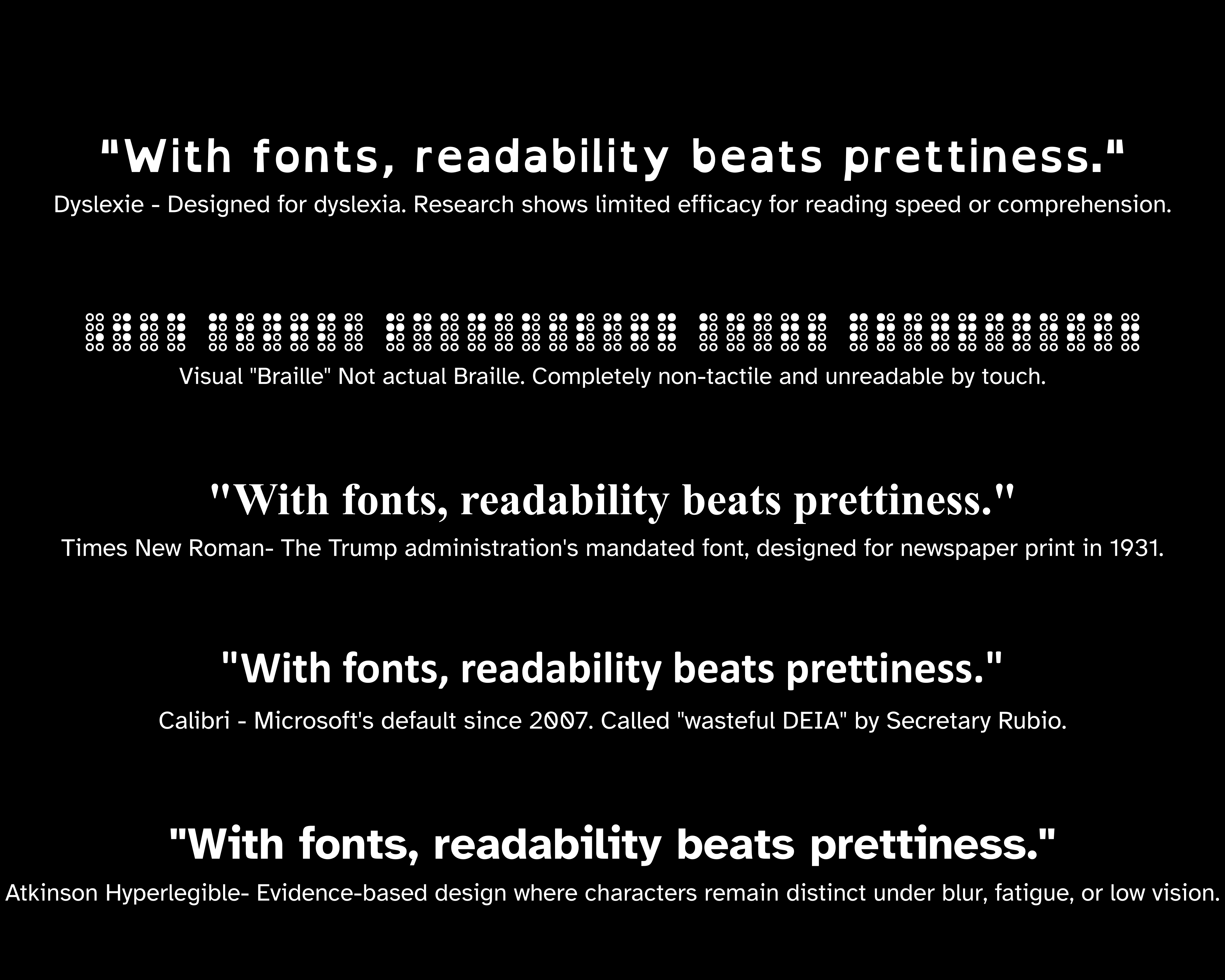
For the Typography Nerds
If two characters could ever be confused, they shouldn't look similar even if that breaks typographic tradition...Atkinson Hyperlegible!
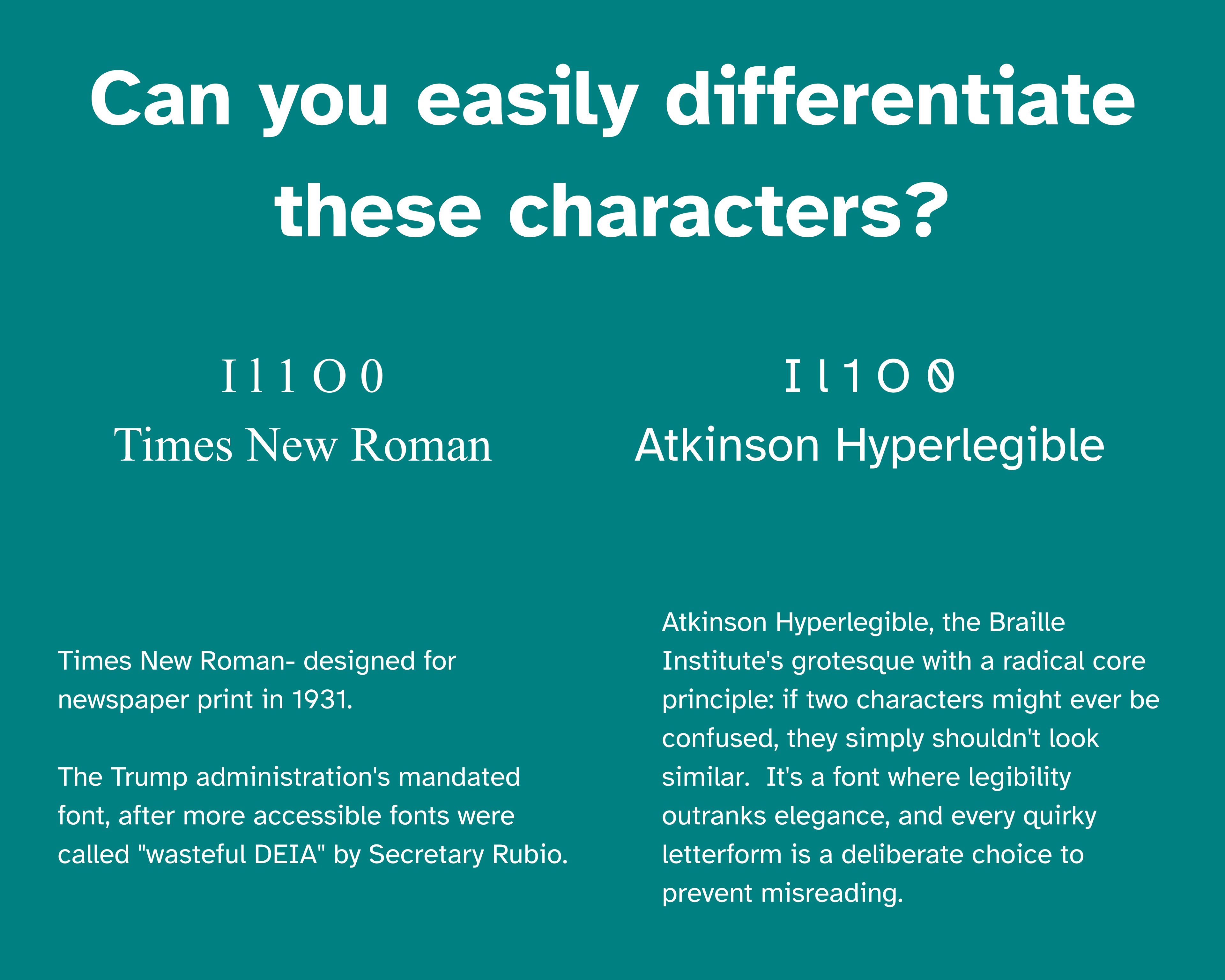
Trump Gov thinks Calibri is woke; US typography just regressed to 1931
The Trump administration just mandated Times New Roman across all Department comms to "restore decorum." While the State Department cosplays 1931, this blog pays homage to a font actually built for this century...one for the type nerds.

Comprehension, Not Just Access: Why Content Clarity Is the Most Frequently Flagged Usability Failure We Measure
Published by See Me Please | Data source: 15 independent usability studies, 5,733 approved individual test findings, 2026
The Accessibility Score Gap: Why Blind and Low-Vision Users Rate the Same Digital Products Up to 38 Points Lower
Published by See Me Please | Data source: 15 independent usability studies, 67 testers across 221 testing sessions, 5,733 approved test findings, 2026
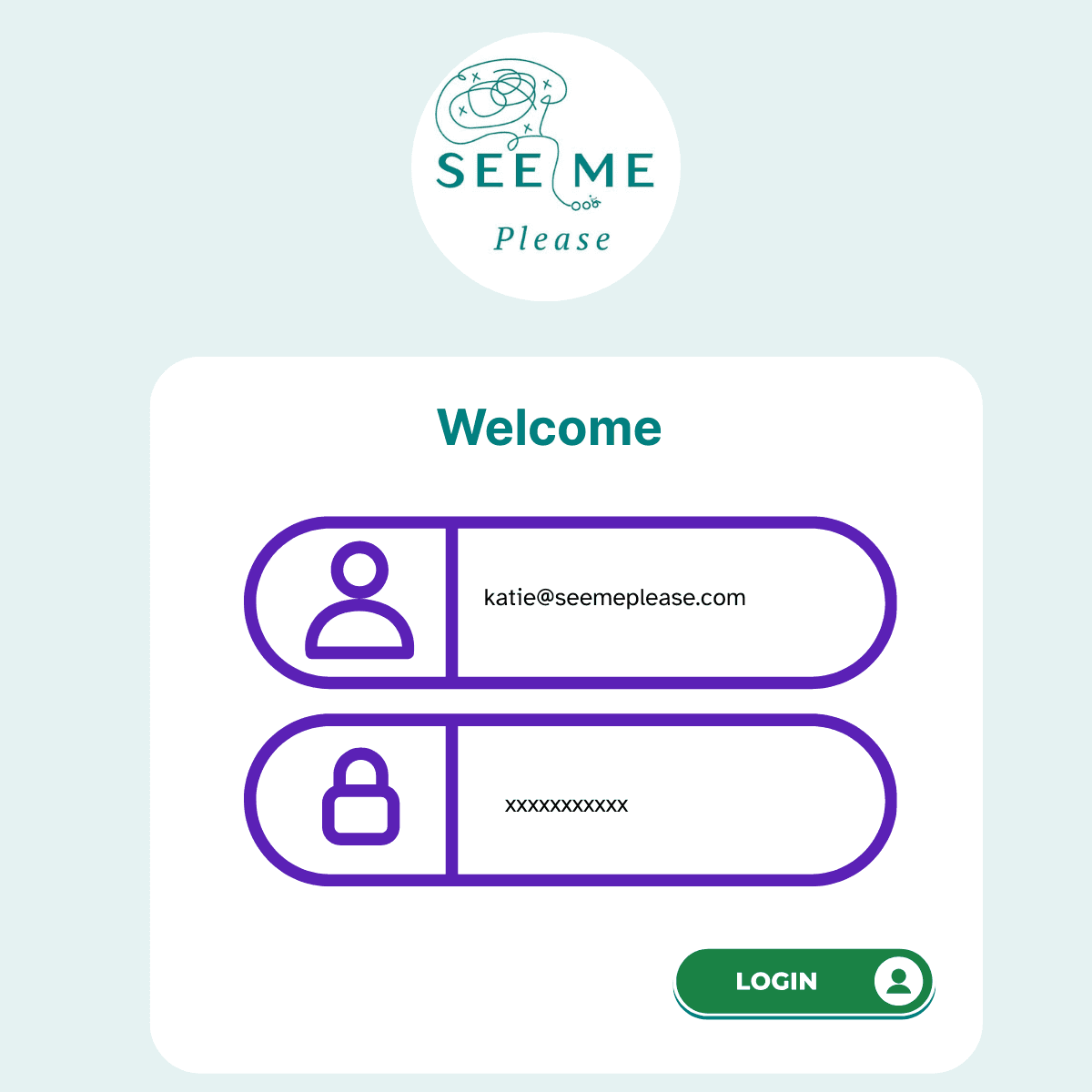
Authentication...When Logging In Becomes the Lockout
Well-meant accessibility tweaks often backfire when they’re not co-designed with the people they serve. This short video shows how a tiny detail in authentication can slam the front door shut for those who need digital services most.
What Breaks for Whom: Friction Patterns Across Nine Disability Cohorts in Usability Testing
Published by See Me Please | Data source: 15 independent usability studies, 3,197 cohort-tagged friction findings, 2026
The 20 Most Common WCAG 2.1 Failures We Found Across 2,481 Real Usability Test Findings
Published by See Me Please | Data source: 15 independent usability studies, 7,027 synthesised findings, 2,481 WCAG-tagged findings, 2026
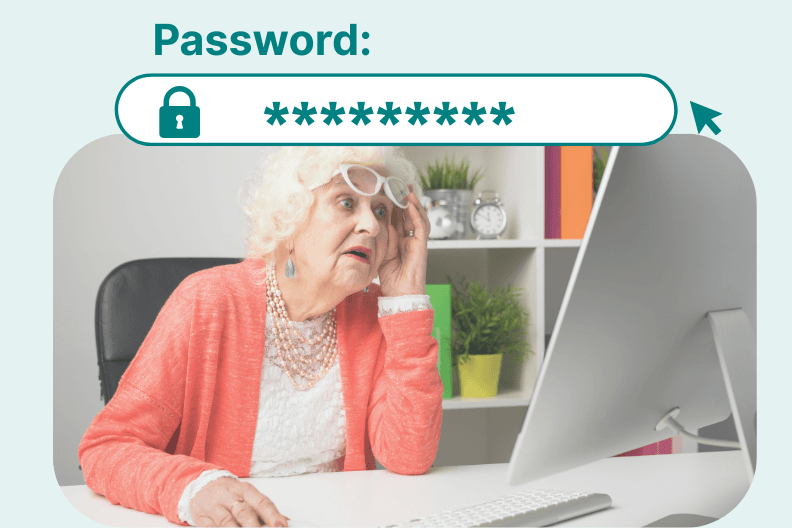
Older Users Might Be Your Best Usability Hack
Brutally Honest But Golden Feedback For Designers
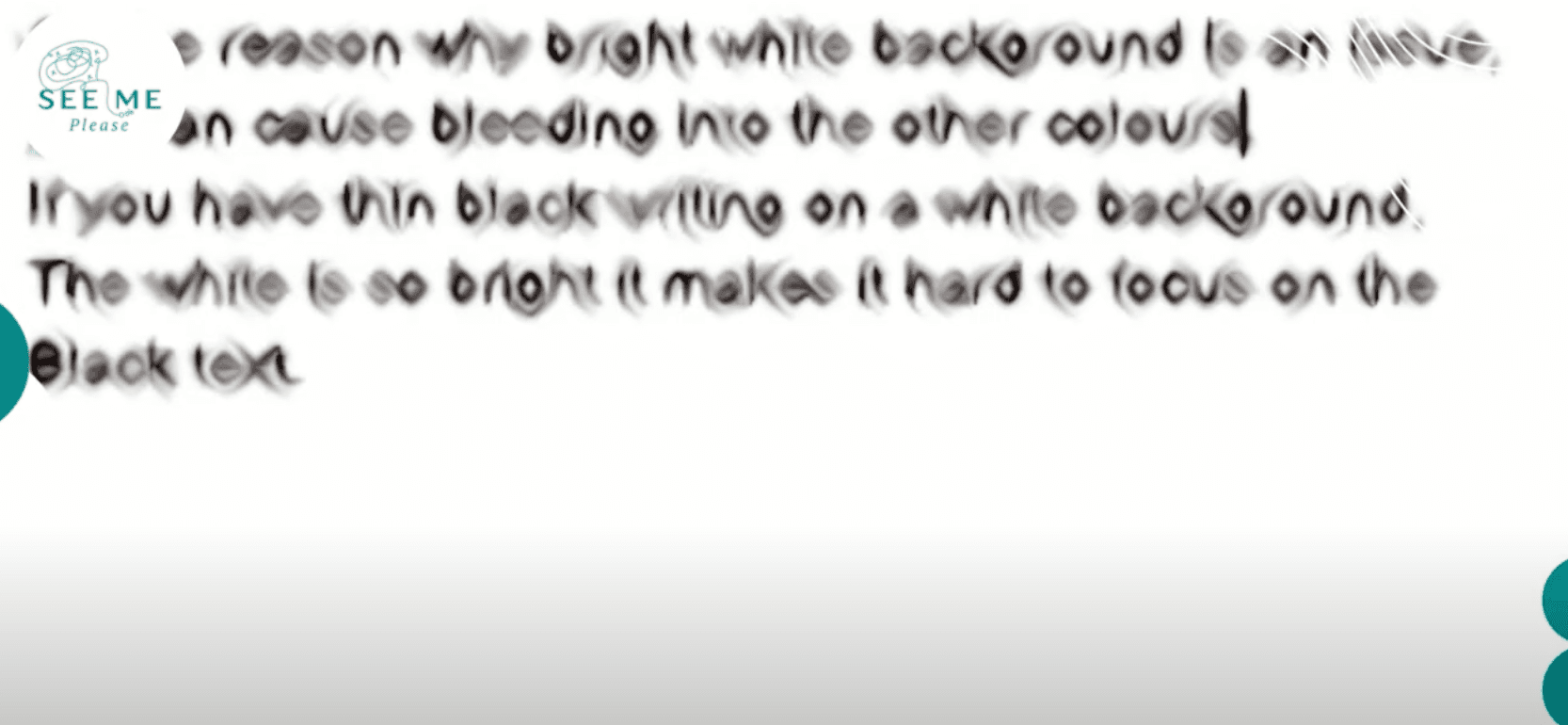
Dark Mode - Essential not a Preference
Dark mode is often treated as a nice-to-have rather than a necessity or assistive technology.

Invisible Digital Barriers In Gov
This blog explores the critical need for inclusive digital government services, highlighting the often-invisible barriers that exclude millions of citizens from essential services.
What is WCAG? A practical guide from See Me Please
Because a technical standard is useful. A human experience is the point.
What is accessibility?
Why the better question is whether something is universally usable